

Through our Business Acumen workshop your participants will improve their judgment and decisiveness skills. Business Acumen is all about seeing the big picture and recognizing that all decisions no matter how small can have an effect on the bottom line. Your participants will increase their financial literacy and improve their business sense.
Business Acumen will give your participants an advantage everyone wishes they had. The workshop will help your participants recognize learning events, manage risk better, and increase their critical thinking. Business Acumen has the ability to influence your whole organization, and provide that additional edge that will lead to success.
OBJECTIVES
- Know how to see the big picture
- Develop a risk management strategy
- Know how to practice financial literacy
- Develop critical thinking
- Practice management acumen
- Find key financial levers
COURSE OUTLINE
- Module One: Getting Started
- Module Two: Seeing the Big Picture
- Module Three: KPIs (Key Performance Indicators)
- Module Four: Risk Management Strategies
- Module Five: Recognizing Learning Events
- Module Six: You Need to Know These Answers and More
- Module Seven: Financial Literacy (I)
- Module Eight: Financial Literacy (II)
- Module Nine: Business Acumen in Management
- Module Ten: Critical Thinking in Business
- Module Eleven: Key Financial Levers
- Module Twelve: Wrapping Up
- Teacher: DexLearn Support
- Teacher: DexNova Learning Support
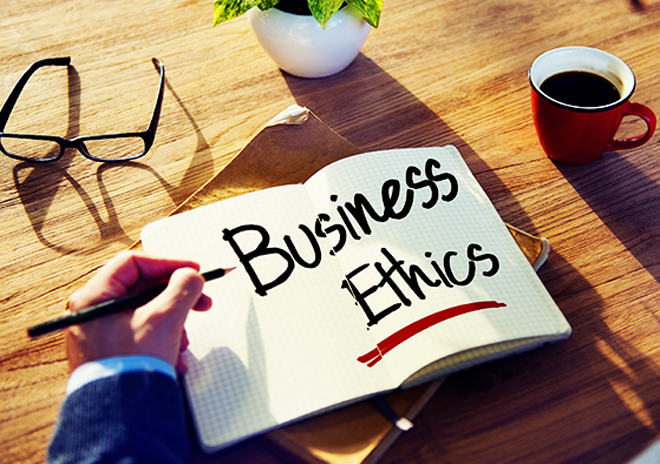
A company's ethics will determine its reputation. Good business ethics are essential for the long-term success of an organization. Implementing an ethical program will foster a successful company culture and increase profitability. Developing a Business Ethics program takes time and effort, but doing so will do more than improve business, it will change lives.
A company's ethics will have an influence on all levels of business. It will influence all who interact with the company including customers, employees, suppliers, competitors, etc. All of these groups will have an effect on the way a company's ethics are developed. It is a two-way street; the influence goes both ways, which makes understanding ethics a very important part of doing business today. Ethics is very important, as news can now spread faster and farther than ever before.
OBJECTIVES
- Define and understand ethics.
- Understand the benefits of ethics.
- Create strategies to implement ethics at work.
- Recognize social and business responsibility.
- Identify ethical and unethical behavior.
- Learn how to make ethical decisions and lead with integrity.
COURSE OUTLINE
- Module One: Getting Started
- Module Two: What is Ethics?
- Module Three: Implementing Ethics in the Workplace
- Module Four: Employer/Employee Rights
- Module Five: Business & Social Responsibilities
- Module Six: Ethical Decisions
- Module Seven: Whistle Blowing
- Module Eight: Managerial Ethics
- Module Nine: Unethical Behavior
- Module Ten: Ethics in Business (I)
- Module Eleven: Ethics in Business (II)
- Module Twelve: Wrapping Up
- Teacher: DexLearn Support
- Teacher: DexNova Learning Support

This course examines the basics, most importantly to be considerate of others, dress/appearance, the workplace versus social situations, business meetings, proper introductions and 'the handshake', conversation skills/small talk, cultural differences affecting international business opportunities, dealing with interruptions, and proper business email and telephone etiquette. Have you ever been in a situation where:
You met someone important and had no idea what to say or do?
You spilled soup all over yourself at an important business event?
You showed up at an important meeting under or overdressed?
Let's face it: we've all had those embarrassing etiquette gaffes. Our Business Etiquette workshop will help your participants look and sound their best no matter what the situation.
OBJECTIVES
- Define etiquette and provide an example of how etiquette can be of value to a company or organization.
- Understand the guidelines on how to make effective introductions.
- Identify the 3 C’s of a good impression.
- Understand how to use a business card effectively.
- Identify and practice at least one way to remember names.
- Identify the 3 steps in giving a handshake.
- Enumerate the four levels of conversation and provide an example for each.
- Understand place settings, napkin etiquette and basic table manners.
- Understand the meaning of colors in dressing for success.
- Differentiate among the dressy casual, semi-formal, formal and black tie dress code.
COURSE OUTLINE
- Module One: Getting Started
- Module Two: Understanding Etiquette
- Module Three: Networking for Success
- Module Four: The Meet and Greet
- Module Five: The Dining in Style
- Module Six: Eating Out
- Module Seven: Business Email Etiquette
- Module Eight: Phone Etiquette
- Module Nine: The Written Letter
- Module Ten: Dressing for Success
- Module Eleven: International Etiquette
- Module Twelve: Wrapping Up
- Teacher: DexNova Learning Support

The loss of valuable leadership can cripple a company. Business succession planning is essentially preparing successors to take on vital leadership roles when the need arises. It is essential to the long-term survival of a company. Every company should have a form of succession planning in its portfolio as it is not the expected absences that can cripple a company, but the unexpected ones.
Whether it is preparing someone to take over a position of leadership in a corporation, or the sole proprietor of a small business Business Succession Planning will teach you the difference between succession planning and mere replacement planning. How you prepare people to take on the responsibilities of leadership so that the company thrives in the transition is just as important as picking the right person for the job.
OBJECTIVES
- Define business succession planning and its role in your company.
- Lay the groundwork to develop a succession plan.
- The importance of mentorship.
- Define and use a SWOT analysis to set goals.
- Create a plan, assign roles, and execute the plan.
- Communicate to develop support and manage change.
- Anticipate obstacles, and evaluate and adapt goals and plans.
- Characterize success.
COURSE OUTLINE
- Module One: Getting Started
- Module Two: Succession Planning Vs. Replacement Planning
- Module Three: Preparing for the Planning Process
- Module Four: Initiating Process
- Module Five: The SWOT Analysis
- Module Six: Developing the Succession Plan
- Module Seven: Executing the Plan
- Module Eight: Gaining Support
- Module Nine: Managing the Change
- Module Ten: Overcoming Roadblocks
- Module Eleven: Reaching the End
- Module Twelve: Wrapping Up
- Teacher: DexLearn Support
- Teacher: DexNova Learning Support

Writing and communication skills have degraded with more and more people communicating through email and instant messaging. Developing writing skills is still important in the business world as is creating proper documents (such as proposals, reports, and agendas) giving you that extra edge in the workplace.
The Collaborative Business Writing workshop will give your participants the knowledge and skills to collaborate with others and create that important document. Your participants will touch on the types of collaboration, and ways to improve them through certain tools and processes. These basic skills will provide your participants with that extra benefit in the business world that a lot of people are losing.
OBJECTIVES
- Define collaborative business writing
- Know different types of collaborative writing
- Know how to collaborate with team members
- Learn methods of handling conflict in writing
- Build collaborative writing teams
COURSE OUTLINE
- Module One: Getting Started
- Module Two: What is Collaborative Business Writing?
- Module Three: Types of Collaborative Business Writing
- Module Four: Collaborative Team Members
- Module Five: Collaborative Tools and Processes
- Module Six: Setting Style Guidelines
- Module Seven: Barriers to Successful Collaborative Writing
- Module Eight: Overcoming Collaborative Writing Barriers
- Module Nine: Styles of Dealing with Conflict
- Module Ten: Tips for Successful Business Writing Collaboration
- Module Eleven: Examples of Collaborative Business Writing
- Module Twelve: Wrapping Up
- Teacher: DexLearn Support
- Teacher: DexNova Learning Support